What is the Best Way to Import from China to the United States: Sea Freight vs Air Freight

tendata blogTrade Logistics

ten data blog2023-06-27

Importing goods from China to the United States requires careful consideration of the most suitable transportation method. Two popular options for shipping are sea freight and air freight. In this article, we will compare the differences between these two methods, discuss the types of products suitable for each, explain the pricing calculations for sea and air freight, and highlight the import restrictions and requirements imposed by the United States for these transportation modes.


freight,sea freight,air freight


The Distinctions Between Sea Freight and Air Freight:

·Sea Freight:

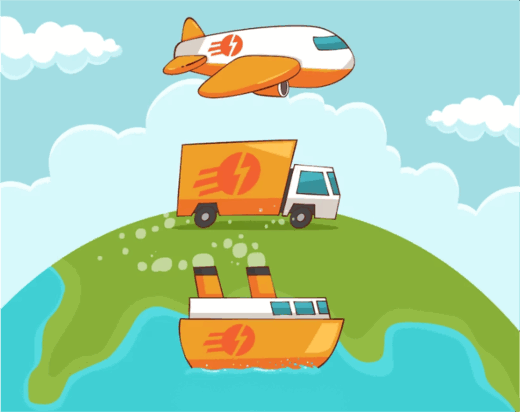
Sea freight involves shipping goods via cargo vessels across the ocean. It is known for its cost-effectiveness and suitability for transporting large volumes of goods. However, it typically has longer transit times compared to air freight. Sea freight is ideal for bulky or heavy products that are not time-sensitive, such as furniture, machinery, and large quantities of consumer goods.


·Air Freight:

Air freight, on the other hand, entails transporting goods by airplanes. It offers faster transit times and is ideal for time-sensitive shipments. While air freight is generally more expensive than sea freight, it provides advantages in terms of speed, security, and reliability. Air freight is suitable for perishable goods, high-value products, electronics, and products with shorter shelf lives.


Pricing Calculations for Sea Freight and Air Freight:

One of the key considerations when importing from China is the transportation costs and efficiency. Sea freight is generally more cost-effective compared to air freight, especially for large volumes of goods. However, it typically has longer transit times. Air freight, on the other hand, offers faster delivery but comes at a higher cost. It is important to assess the cost implications and evaluate the trade-off between speed and cost based on your specific product and business requirements.


·Sea Freight Pricing:

Sea freight rates are determined by various factors, including the shipment's weight, volume, container size, and destination. Shipping companies typically offer different types of containers, such as full container load (FCL) and less than container load (LCL), which impact the pricing. Additionally, additional costs may arise, such as customs duties, port charges, and insurance fees. It is advisable to request quotes from multiple freight forwarders to compare prices and choose the most cost-effective option.


·Air Freight Pricing:

Air freight rates are primarily influenced by the weight and volume of the goods being shipped. Airlines use a chargeable weight calculation, considering either the actual weight or the dimensional weight—whichever is higher. Dimensional weight is calculated based on the package's size, and it helps airlines account for the space occupied by lightweight, bulky shipments. Additional costs, such as security charges and fuel surcharges, may also be included in the overall air freight pricing.


Product Suitability Between Sea Freight and Air Freight:

Different transportation methods have their own strengths and suitability for specific types of products. Sea freight is ideal for bulky, heavy, and non-time-sensitive products. Goods such as furniture, machinery, and large quantities of consumer goods are well-suited for shipping via sea freight. On the other hand, air freight is more suitable for time-sensitive shipments, perishable goods, high-value products, electronics, and items with shorter shelf lives. Understanding the nature of your products and their specific transportation needs will help you determine the most appropriate method.


Transit Times for Sea Freight and Air Freight:

Transit time is an important consideration for importers. Sea freight generally has longer transit times due to the nature of transportation via cargo vessels and multiple port stops. On average, it takes several weeks for goods to reach the United States from China via sea freight. Air freight, on the other hand, offers significantly shorter transit times, typically ranging from a few days to a week. Consider your inventory management, sales planning, and customer demands when deciding between sea freight and air freight.


Reliability and Security Between Sea Freight and Air Freight:

The reliability and security of the transportation method are critical factors to consider. Sea freight, despite longer transit times, is generally considered reliable and secure for shipping goods. Cargo vessels have robust safety measures in place to protect shipments. Air freight, with its shorter transit times, offers a higher level of security and minimizes the risk of theft or damage during transportation. It is advisable to work with reputable shipping companies or freight forwarders that have a proven track record in handling imports from China to the United States.


Import Restrictions and Requirements in the United States:

Both sea freight and air freight shipments from China to the United States are subject to import restrictions and requirements imposed by U.S. customs and regulatory authorities. These restrictions aim to ensure product safety, protect intellectual property rights, and prevent the entry of prohibited goods. The specific requirements vary depending on the type of product being imported, and it is essential to comply with them to avoid penalties and delays. Some common import requirements include:


Product certifications and compliance with relevant standards

·Accurate labeling and packaging

·Intellectual property rights protection

·Documentation, including commercial invoices, packing lists, and certificates of origin

·Adherence to customs valuation and classification rules

·Compliance with specific regulations for certain product categories, such as food, pharmaceuticals, and electronics


Conclusion:

When importing goods from China to the United States, choosing the best transportation method is crucial for a successful and cost-effective operation. Sea freight is suitable for bulky and non-time-sensitive products, offering cost advantages despite longer transit times. On the other hand, air freight provides faster delivery for time-sensitive and high-value goods, albeit at a higher cost. Understanding the differences between sea and air freight, including pricing calculations and import restrictions, enables importers to make informed decisions and optimize their import processes.


Leave Message for Demo Request or Questions
We always appreciate your visit at tendata.com. We'd love to hear your suggestions, feedback & queries. Please contact us to schedule a demo or learn more about our services. We will respond to your query within 1 working day.

More Popular Blogs

These related articles may also be of interest to you

Geting Price

Global Trade Data Leader
Get Pricing
Free Demo
X

'Target Customer
'Acquisition & Intelligent
'Decision-Making

'Global Trade Marketing Intelligent'
Decision-Making SaaS Platform

Welcome Tendata iTrader

Please fill in the infos to get free demo

  • *

  • *

  • *

  • *

  • *

  • *

  • *
  • *

Success!

A rep will contact you within 10 minutes to get your demo.If you need a faster answers around features, pricing, etcplease scan to add Whatsapp online customer service.

Scan the QR code or click here for immediate consultation.
close
Privacy and Data Protection Policy
Effective Date: 01/07/2026

1. Introduction

Tendata (Shanghai Tendata Tech Co., Ltd., hereinafter referred to as “Tendata”, “we”, “us”, or “our”) is committed to protecting your privacy and data security. This Privacy and Data Protection Policy (“Policy”) explains how we collect, use, store, share, and protect your information when you visit our websites, use our customs data query systems, software-as-a-service (SaaS) platforms, or otherwise engage with our services.

2. Scope

This Policy applies to:
Tendata’s official website and related mobile applications;
Tendata’s customs data analytics software and SaaS offerings;
Communications via phone, email, or offline meetings.
Special Note: The “customs data” referred to in this Policy primarily involves commercial business information in international trade (e.g., importer/exporter names, transaction values, quantities, product descriptions). Tendata does not actively collect sensitive personal information of natural persons (such as biometric or health data), unless you voluntarily provide such information as our client representative.

3. Categories of Information We Collect

We collect information in three main categories:
3.1 Information You Voluntarily Provide
Account Information: name, job title, company name, corporate email address, phone number, and office address.
Communication Content: inquiries, feedback, and attachments submitted through online forms, customer service chats, or email subscriptions.
3.2 Information Generated During Service Use
Search and Query Records: keywords, HS codes, product descriptions, and browsing history entered into our system.
Log Data: IP address, browser type, operating system, access times, and page clickstreams.
Transaction and Contract Information: details of purchased service packages, payment records, and invoice information.
3.3 Information from Third-Party Sources
We may verify your corporate background information from publicly available commercial channels to ensure compliance with our service terms.

4. How We Use Your Information

We use your information for the following legitimate purposes:
Service Provision and Support: account activation, generation of data analytics reports, processing refunds, and handling technical support requests.
Product Improvement: analysing user behaviour patterns to optimise our data algorithms and user interface.
Marketing and Notifications: sending industry insight reports, product updates, or event invitations, subject to your prior consent.
Legal Compliance and Security: detecting and preventing fraud, maintaining system security, and fulfilling anti-money laundering and export control compliance obligations.

5. Data Storage and Protection

5.1 Storage Location
Your personal and business data are primarily stored on servers located in Shanghai, China, and on Alibaba Cloud’s secure infrastructure. We strictly comply with applicable data localisation requirements.
5.2 Security Measures
Tendata employs industry-leading security measures to protect your data:
Transport Layer Security: full-site TLS 1.3 encryption to ensure secure data transmission.
Storage Encryption: sensitive fields are encrypted using AES-256 encryption.
Access Control: a strict internal permission hierarchy, granting access only to authorised personnel on a “minimum necessary” basis.
Backup and Disaster Recovery: automated daily backups to ensure high data availability.

6. Sharing, Transfer, and Disclosure of Your Information

6.1 Sharing with Third-Party Partners
We only share your data when necessary:
Service Providers: such as cloud service providers (Alibaba Cloud), email delivery services, and payment gateways. These partners are bound by strict data processing agreements.
Legal Requirements: disclosure in response to mandatory requests by Chinese laws, administrative regulations, or judicial authorities.
6.2 Business Transfers
If Tendata is involved in a merger, acquisition, or asset restructuring, your data will be transferred as part of the business assets. We will notify you in advance and require the new entity to continue to comply with this Policy.
6.3 Prohibition on Sale
Tendata explicitly undertakes that we will never sell, trade, or rent your personal data or business secrets to any unrelated third party.

7. Your Data Subject Rights

Under the Personal Information Protection Law (PIPL) and the GDPR, you have the following rights:
Right to be Informed and Right of Access: you may contact us at any time to confirm whether we are processing your personal data and request a copy of that data.
Right to Rectification: you may request correction of inaccurate or incomplete data.
Right to Erasure (“Right to be Forgotten”): under certain circumstances (e.g., when the purpose of processing has been fulfilled or you withdraw consent), you may request deletion of your personal data.
Right to Withdraw Consent: you may withdraw your consent for marketing communications at any time.
Right to Data Portability: you have the right to request that the structured data you provided be transferred to another controller.
How to Exercise Your Rights: Please send an email to [email protected]. We will respond within 15 business days.

8. Cookies and Similar Technologies

We use strictly necessary cookies to maintain login sessions and improve page loading speed. You may disable cookies in your browser settings, but this may affect the functionality of certain features. We do not use cookies to track your cross-site behaviour for profiling.

9. Protection of Minors

Our services are designed for businesses and professionals and are not intended for individuals under the age of 14. If we discover that we have inadvertently collected information from a child, we will delete it promptly.

10.Customs Data Compliance Statement

The customs and trade data provided through Tendata’s services are obtained from lawful and commercially available sources. Such information is intended solely for legitimate business purposes and should not be used for unlawful, discriminatory, or prohibited activities.

11. Policy Updates

We reserve the right to update this Policy from time to time. For material changes (e.g., changes in the purposes of data processing), we will notify you prominently via in-app messages or email.

12. Contact Us

If you have any questions, complaints, or suggestions regarding this Policy or data security, please contact our Data Protection Officer:
Shanghai Tendata Tech Co., Ltd.
Address: 8F, South Tower, Building 9, Lujiazui Software Park, No. 20, Lane 91, Eshan Road, Pudong New Area, Shanghai
Data Protection Email: [email protected]
Phone: +021-60898388-8111
close

We Value Your Privacy

We use cookies and similar technologies to improve your browsing experience, analyze website traffic, personalize content, and provide better services. Some cookies are essential for the operation of our website, while others help us understand how visitors interact with our platform.
By clicking "Accept All", you consent to the use of cookies as described in our Cookie Policy. You can manage your cookie preferences at any time.Privacy Policy

Free Demo
Demo