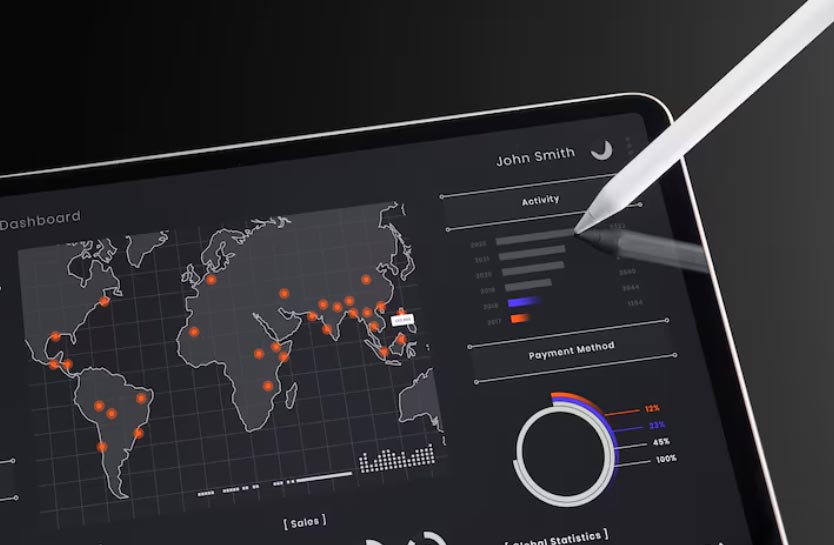
How to Use The Trade Database For Customs Data Analysis

tendata blogTrade Data Provider

ten data blog2023-06-21

With the advent of global import export trade platforms, customs data analysis has become an essential tool for businesses to gain insights into trade trends, opportunities, and risks. In this article, we will delve into how businesses can effectively utilize global import export trade platforms for customs data analysis to optimize their international trade operations.



customs data analysis,free customs data analysis,best customs data analysis


The Role of Customs Data in International Trade

Customs data is a critical component of international trade as it provides detailed information about the movement of goods across borders. Customs data includes data on imports, exports, tariffs, duties, taxes, customs valuation, classification of goods, and other trade-related information. This data is collected by customs authorities of different countries and is typically available in standardized formats. Customs data provides valuable insights into the volume, value, and nature of international trade, helping businesses and policymakers make informed decisions.


Global import export Trade Platforms

Global import export trade platforms, such as Tendata, Importgenius, panjiva, are online platforms that facilitate international trade by connecting buyers and sellers from different countries. These platforms provide a digital marketplace for businesses to buy, sell, and trade goods and services across borders. Examples of popular global import export trade platforms include Tendata, Alibaba, Global Sources, among others. These platforms offer various features and tools, including customs data analysis, which can be leveraged by businesses to gain insights and make informed decisions in their international trade operations.


How to Use Global Import Export Trade Platforms for Customs Data Analysis


1. Accessing Customs Data: Global import export trade platforms typically offer access to customs data, either through their own databases or through partnerships with customs authorities or third-party data providers. Businesses can leverage these platforms to access customs data related to their trade transactions, including import and export data, tariff rates, customs valuation, and other trade-related information.


2. Analyzing Trade Trends: Customs data analysis on import export trade platforms allows businesses to analyze trade trends, including import and export volumes, values, and growth rates. By analyzing trade trends, businesses can identify market opportunities, track changes in demand and supply, and forecast future trade patterns. This information can help businesses in formulating effective trade strategies, such as targeting new markets, diversifying product offerings, or adjusting pricing and inventory levels.


3. Identifying Trade Partners: Global import export trade platforms enable businesses to search for potential trade partners, such as suppliers or buyers, based on customs data. Businesses can filter and search for trade partners based on various criteria, including country of origin, product category, trade volumes, and trade patterns. This allows businesses to identify and connect with trade partners that align with their trade objectives and requirements.


4. Evaluating Market Competitiveness: Customs data analysis on import export trade platforms can help businesses assess the competitiveness of different markets or trade partners. Businesses can analyze trade data to determine market share, trade balances, and comparative advantages of different countries or regions. This analysis can provide insights into the competitiveness of specific products or sectors in different markets and help businesses in making informed decisions related to market entry, product positioning, and pricing strategies.


5. Managing Trade Risks: Global import export trade platforms can assist businesses in managing trade risks by providing customs data for risk assessment and mitigation. Businesses can analyze customs data to identify potential risks, such as changes in tariffs, non-tariff barriers, or trade sanctions, and assess their impact on their trade operations. This information can help businesses in developing risk mitigation strategies, such as diversifying trade partners, optimizing supply chains, and ensuring compliance with trade regulations.


6. Compliance and Regulatory Requirements: Customs data analysis on import export trade platforms can aid businesses in meeting compliance and regulatory requirements related to international trade. Customs data provides critical information for businesses to ensure compliance with customs regulations, trade agreements, and other trade-related laws. Global import export trade platforms often provide features that help businesses stay compliant with these regulations. For example, these platforms may have built-in tools that automatically calculate and display the applicable tariff rates, duties, taxes, and other charges based on the customs data. This helps businesses accurately assess the costs and compliance requirements associated with their trade transactions.


7. Market Intelligence: Customs data analysis on import export trade platforms can provide businesses with valuable market intelligence. By analyzing customs data, businesses can gain insights into market trends, consumer preferences, competitive landscape, and other market dynamics. This information can be used to make data-driven decisions related to product development, marketing strategies, and supply chain optimization. For example, businesses can use customs data to identify emerging markets, assess the demand for specific products, and tailor their marketing efforts accordingly.


8. Supplier and Buyer Evaluation: Global import export trade platforms allow businesses to evaluate potential suppliers and buyers based on customs data. Businesses can analyze trade data to assess the reliability, credibility, and performance of suppliers or buyers in terms of their trade volumes, trade patterns, and trade compliance. This helps businesses make informed decisions when selecting trade partners and mitigates the risk of engaging in trade transactions with unreliable or non-compliant parties.


9. Competitive Analysis: Customs data analysis on import export trade platforms can also be used for competitive analysis. Businesses can analyze customs data to compare their trade performance with that of their competitors. This includes comparing trade volumes, trade values, trade partners, and trade patterns. This analysis can help businesses identify their strengths and weaknesses in the market and formulate strategies to gain a competitive edge. For example, businesses can identify potential trade partners that their competitors are engaged with and explore new trade opportunities in those markets.


10. Forecasting and Planning: Customs data analysis on import export trade platforms can be utilized for forecasting and planning purposes. By analyzing historical customs data, businesses can identify trade patterns and trends that can be used for future planning. This includes forecasting demand, planning inventory levels, optimizing supply chains, and developing trade strategies. For example, businesses can use customs data to forecast changes in tariff rates or trade policies and plan accordingly by adjusting their trade operations to mitigate potential risks.


Conclusion

In today's globalized world, customs data analysis has become an invaluable tool for businesses engaged in import export trade. Global import export trade platforms offer businesses the opportunity to access and analyze customs data to gain insights into trade trends, opportunities, and risks. By effectively utilizing customs data analysis on these platforms, businesses can optimize their international trade operations, identify market opportunities, manage trade risks, comply with regulatory requirements, and gain a competitive edge in the global trade arena.


Leave Message for Demo Request or Questions

We always appreciate your visit at tendata.com. We'd love to hear your suggestions, feedback & queries. Please contact us to schedule a demo or learn more about our services. We will respond to your query within 1 working day.

More Popular Blogs

These related articles may also be of interest to you

Geting Price

Global Trade Data Leader
Get Pricing
Free Demo
X

'Target Customer
'Acquisition & Intelligent
'Decision-Making

'Global Trade Marketing Intelligent'
Decision-Making SaaS Platform

Welcome Tendata iTrader

Please fill in the infos to get free demo

  • *

  • *

  • *

  • *

  • *

  • *

  • *
  • *

Success!

A rep will contact you within 10 minutes to get your demo.If you need a faster answers around features, pricing, etcplease scan to add Whatsapp online customer service.

Scan the QR code or click here for immediate consultation.
close
Privacy and Data Protection Policy
Effective Date: 01/07/2026

1. Introduction

Tendata (Shanghai Tendata Tech Co., Ltd., hereinafter referred to as “Tendata”, “we”, “us”, or “our”) is committed to protecting your privacy and data security. This Privacy and Data Protection Policy (“Policy”) explains how we collect, use, store, share, and protect your information when you visit our websites, use our customs data query systems, software-as-a-service (SaaS) platforms, or otherwise engage with our services.

2. Scope

This Policy applies to:
Tendata’s official website and related mobile applications;
Tendata’s customs data analytics software and SaaS offerings;
Communications via phone, email, or offline meetings.
Special Note: The “customs data” referred to in this Policy primarily involves commercial business information in international trade (e.g., importer/exporter names, transaction values, quantities, product descriptions). Tendata does not actively collect sensitive personal information of natural persons (such as biometric or health data), unless you voluntarily provide such information as our client representative.

3. Categories of Information We Collect

We collect information in three main categories:
3.1 Information You Voluntarily Provide
Account Information: name, job title, company name, corporate email address, phone number, and office address.
Communication Content: inquiries, feedback, and attachments submitted through online forms, customer service chats, or email subscriptions.
3.2 Information Generated During Service Use
Search and Query Records: keywords, HS codes, product descriptions, and browsing history entered into our system.
Log Data: IP address, browser type, operating system, access times, and page clickstreams.
Transaction and Contract Information: details of purchased service packages, payment records, and invoice information.
3.3 Information from Third-Party Sources
We may verify your corporate background information from publicly available commercial channels to ensure compliance with our service terms.

4. How We Use Your Information

We use your information for the following legitimate purposes:
Service Provision and Support: account activation, generation of data analytics reports, processing refunds, and handling technical support requests.
Product Improvement: analysing user behaviour patterns to optimise our data algorithms and user interface.
Marketing and Notifications: sending industry insight reports, product updates, or event invitations, subject to your prior consent.
Legal Compliance and Security: detecting and preventing fraud, maintaining system security, and fulfilling anti-money laundering and export control compliance obligations.

5. Data Storage and Protection

5.1 Storage Location
Your personal and business data are primarily stored on servers located in Shanghai, China, and on Alibaba Cloud’s secure infrastructure. We strictly comply with applicable data localisation requirements.
5.2 Security Measures
Tendata employs industry-leading security measures to protect your data:
Transport Layer Security: full-site TLS 1.3 encryption to ensure secure data transmission.
Storage Encryption: sensitive fields are encrypted using AES-256 encryption.
Access Control: a strict internal permission hierarchy, granting access only to authorised personnel on a “minimum necessary” basis.
Backup and Disaster Recovery: automated daily backups to ensure high data availability.

6. Sharing, Transfer, and Disclosure of Your Information

6.1 Sharing with Third-Party Partners
We only share your data when necessary:
Service Providers: such as cloud service providers (Alibaba Cloud), email delivery services, and payment gateways. These partners are bound by strict data processing agreements.
Legal Requirements: disclosure in response to mandatory requests by Chinese laws, administrative regulations, or judicial authorities.
6.2 Business Transfers
If Tendata is involved in a merger, acquisition, or asset restructuring, your data will be transferred as part of the business assets. We will notify you in advance and require the new entity to continue to comply with this Policy.
6.3 Prohibition on Sale
Tendata explicitly undertakes that we will never sell, trade, or rent your personal data or business secrets to any unrelated third party.

7. Your Data Subject Rights

Under the Personal Information Protection Law (PIPL) and the GDPR, you have the following rights:
Right to be Informed and Right of Access: you may contact us at any time to confirm whether we are processing your personal data and request a copy of that data.
Right to Rectification: you may request correction of inaccurate or incomplete data.
Right to Erasure (“Right to be Forgotten”): under certain circumstances (e.g., when the purpose of processing has been fulfilled or you withdraw consent), you may request deletion of your personal data.
Right to Withdraw Consent: you may withdraw your consent for marketing communications at any time.
Right to Data Portability: you have the right to request that the structured data you provided be transferred to another controller.
How to Exercise Your Rights: Please send an email to [email protected]. We will respond within 15 business days.

8. Cookies and Similar Technologies

We use strictly necessary cookies to maintain login sessions and improve page loading speed. You may disable cookies in your browser settings, but this may affect the functionality of certain features. We do not use cookies to track your cross-site behaviour for profiling.

9. Protection of Minors

Our services are designed for businesses and professionals and are not intended for individuals under the age of 14. If we discover that we have inadvertently collected information from a child, we will delete it promptly.

10.Customs Data Compliance Statement

The customs and trade data provided through Tendata’s services are obtained from lawful and commercially available sources. Such information is intended solely for legitimate business purposes and should not be used for unlawful, discriminatory, or prohibited activities.

11. Policy Updates

We reserve the right to update this Policy from time to time. For material changes (e.g., changes in the purposes of data processing), we will notify you prominently via in-app messages or email.

12. Contact Us

If you have any questions, complaints, or suggestions regarding this Policy or data security, please contact our Data Protection Officer:
Shanghai Tendata Tech Co., Ltd.
Address: 8F, South Tower, Building 9, Lujiazui Software Park, No. 20, Lane 91, Eshan Road, Pudong New Area, Shanghai
Data Protection Email: [email protected]
Phone: +021-60898388-8111
close

We Value Your Privacy

We use cookies and similar technologies to improve your browsing experience, analyze website traffic, personalize content, and provide better services. Some cookies are essential for the operation of our website, while others help us understand how visitors interact with our platform.
By clicking "Accept All", you consent to the use of cookies as described in our Cookie Policy. You can manage your cookie preferences at any time.Privacy Policy

Free Demo
Demo