 Exhibition
 B2B Platforms
 Standalone Website
 Social Media
 Emails
Custom Import Data Helps You Find Real Buyers and Expand Into the Right Markets - Tendata
 Trade Data Provider
 2026-07-30
Success in international trade depends on making informed decisions. Before entering a new market or contacting potential customers, businesses need to understand who is buying, what products are in demand, and how trade patterns are changing.
This is why custom import data has become an important resource for exporters, manufacturers, sourcing companies, and international sales teams.
Unlike general business directories or industry reports, custom import data is based on actual customs declarations. It provides valuable insights into import activities, market demand, product trends, and purchasing behavior, helping businesses reduce uncertainty and focus on opportunities backed by real trade transactions.
Whether you're developing new markets or strengthening your existing customer base, custom import data can support every stage of your global business strategy.

What Is Custom Import Data?
Custom import data refers to the records generated when goods enter a country through customs clearance. These records are collected by customs authorities to supervise international trade, calculate duties, and publish official trade statistics.
Depending on the country and the data source, custom import data may include product descriptions, HS codes, shipment quantities, customs values, countries of origin, ports of entry, declaration dates, and transportation methods.
Professional trade intelligence platforms organize custom import data into searchable databases, allowing businesses to analyze products, industries, buyers, suppliers, and market trends much more efficiently.
Because it reflects real import transactions, custom import data is one of the most reliable sources for international market research.
10 Free Resources to Explore Custom Import Data
Businesses that are beginning international market research can benefit from the following free resources. While these platforms mainly provide statistical information instead of company-level shipment records, they are useful for understanding global trade and customs activities.
1. Brazil Comex Stat
Website: https://comexstat.mdic.gov.br/
Brazil's official trade statistics platform provides import and export data by product, country, and customs classification.
2. India Open Government Data Portal
Website: https://data.gov.in/
India's national open data platform offers customs-related statistics, trade reports, and economic datasets.
3. Banco Central de Chile Statistics
Website: https://si3.bcentral.cl/
Provides Chile's foreign trade statistics and economic indicators.
4. Banco de México Economic Information System
Website: https://www.banxico.org.mx/
Publishes international trade statistics and economic data for Mexico.
5. Central Bank of Sri Lanka Statistics
Website: https://www.cbsl.gov.lk/
Offers official reports covering imports, exports, and international trade indicators.
6. Reserve Bank of Australia Statistics
Website: https://www.rba.gov.au/
Provides economic and trade-related statistical publications for Australia.
7. Bank of Korea Economic Statistics System
Website: https://ecos.bok.or.kr/
Includes trade indicators, import and export statistics, and economic data.
8. Bank Negara Malaysia Statistics
Website: https://www.bnm.gov.my/
Publishes international trade indicators and economic statistics for Malaysia.
9. Central Bank of Egypt Data Portal
Website: https://www.cbe.org.eg/
Provides economic reports and foreign trade statistics.
10. National Bank of Poland Statistics Portal
Website: https://nbp.pl/
Offers economic indicators and international trade data for Poland.
Why Businesses Use Custom Import Data
One of the biggest advantages of custom import data is that it reflects actual purchasing activity rather than estimates or surveys.
Businesses can use custom import data to identify countries with growing demand, compare import volumes across markets, monitor seasonal purchasing
patterns, and evaluate product performance over time.
Instead of relying on assumptions, companies gain a clearer understanding of where opportunities exist and which markets deserve greater attention.
For exporters, this means more informed market selection and better allocation of sales resources.
Free Data Is Helpful, but It Doesn't Show the Complete Picture
Official databases are excellent for understanding national trade performance, but they usually stop at statistical analysis.
For example, free custom import data may show that imports of packaging materials have increased steadily over the past two years. However, it rarely answers business development questions such as:
- Which companies are responsible for those imports?
- Which suppliers currently serve them?
- How often do they purchase?
- Are they expanding their sourcing activities?
Without this information, businesses often spend significant time researching buyers manually before they can begin customer outreach.
Professional trade intelligence platforms bridge this gap by connecting customs records with company-level commercial intelligence.
How Tendata Turns Custom Import Data Into Business Opportunities
Tendata is a comprehensive global trade intelligence platform designed to help businesses maximize the value of custom import data.
Instead of searching across multiple databases, users can access customs records, buyer intelligence, competitor analysis, market insights, and AI-powered tools through a single platform.
Understand Market Demand More Clearly
Before entering a new market, businesses need reliable information about local demand.
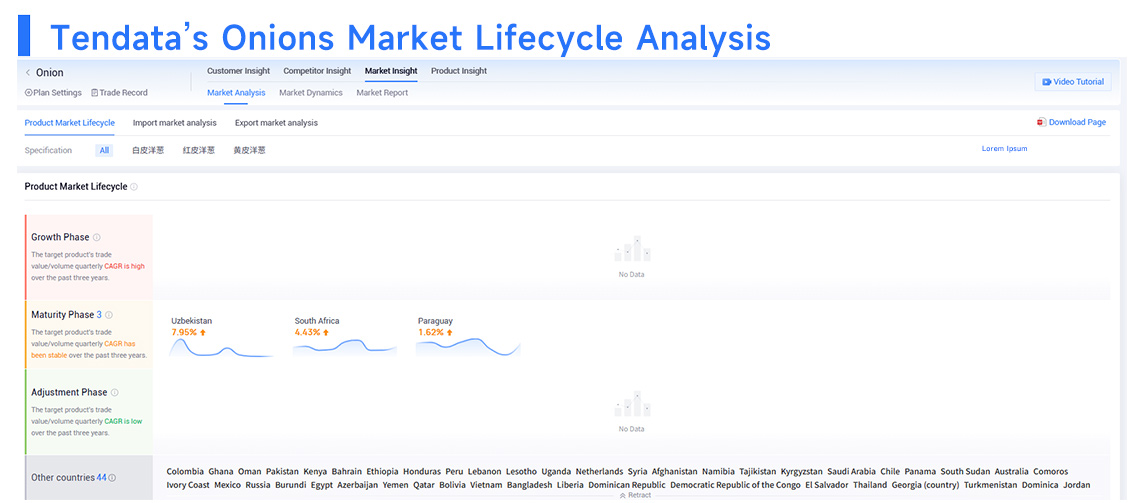
Tendata allows users to analyze custom import data by product, country, industry, and HS code, making it easier to compare market performance across regions.
For example, exporters of onions can search HS Code 070310 to evaluate import trends, identify stable purchasing markets, and prioritize countries with long-term growth potential.
>>> Tendata’s Onions Market Lifecycle Analysis <<<
Data Source: Tendata Platform
Learn From Competitor Activity
Successful companies constantly monitor their competitors.
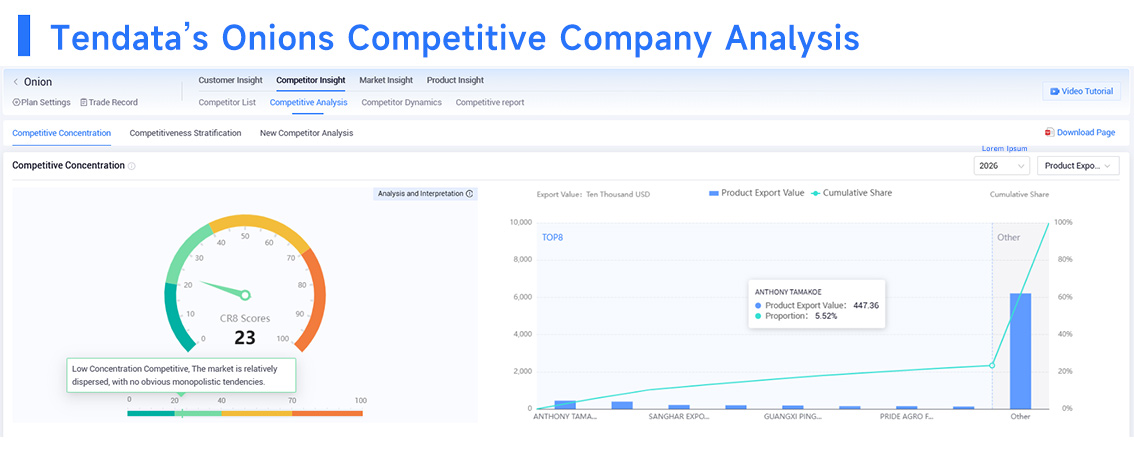
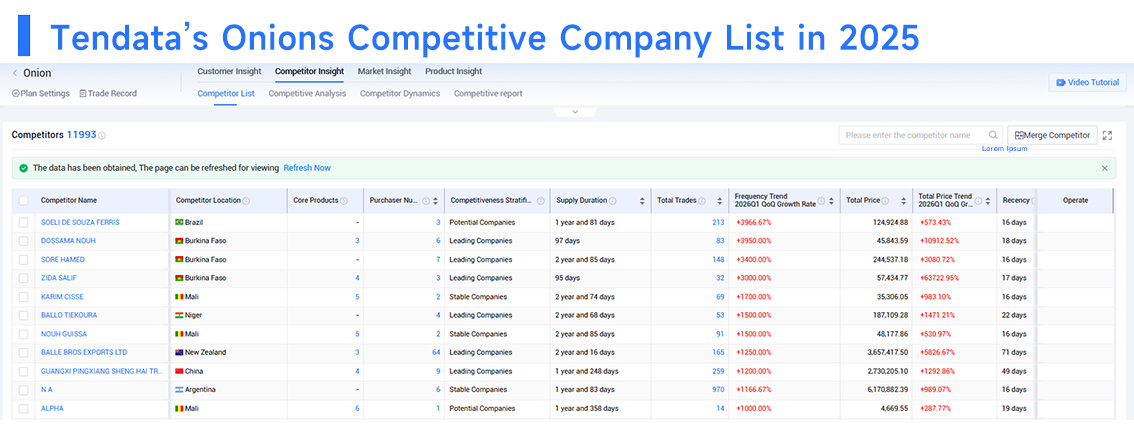
Using Tendata, businesses can analyze competitors' shipment destinations, product portfolios, trading frequency, and historical trade activity through verified custom import data.
These insights help identify competitive advantages, uncover market gaps, and support more effective international business strategies.
>>> Tendata’s Onions Competitive Company Analysis <<<
>>> Tendata’s Onions Competitive Company List in 2025 <<<
Data Source: Tendata Platform
Find Buyers That Match Your Products
Not every importer is an ideal customer.
Tendata enables businesses to identify active buyers using detailed custom import data, allowing users to evaluate purchasing history, supplier relationships, transaction frequency, and procurement patterns before initiating contact.
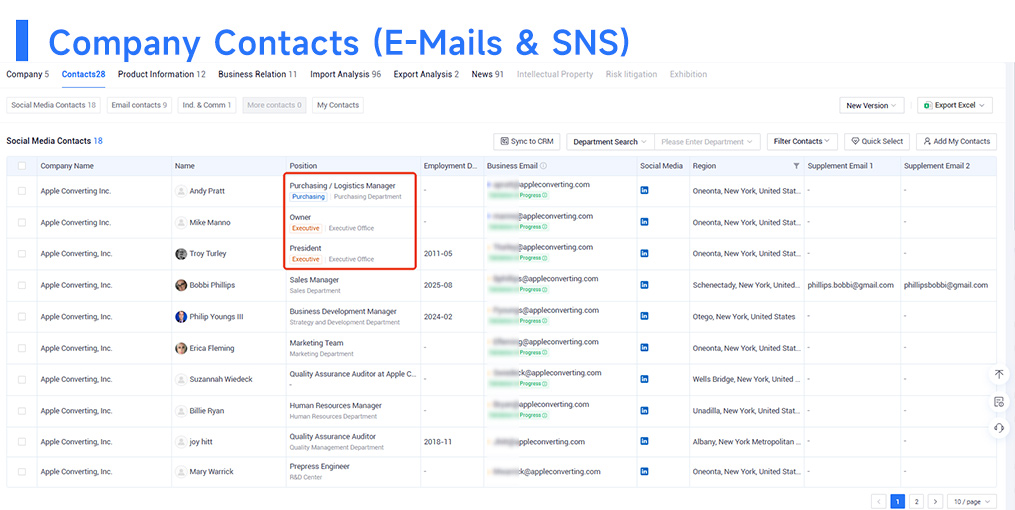
The platform also includes a business contact database with available company email addresses, LinkedIn profiles, Facebook pages, and other public business information, helping sales teams reach decision-makers more efficiently.
>>> Obtaining Customer Contact Information from Tendata <<<
Data Source: Tendata Platform
Improve Customer Development With Tendata AI
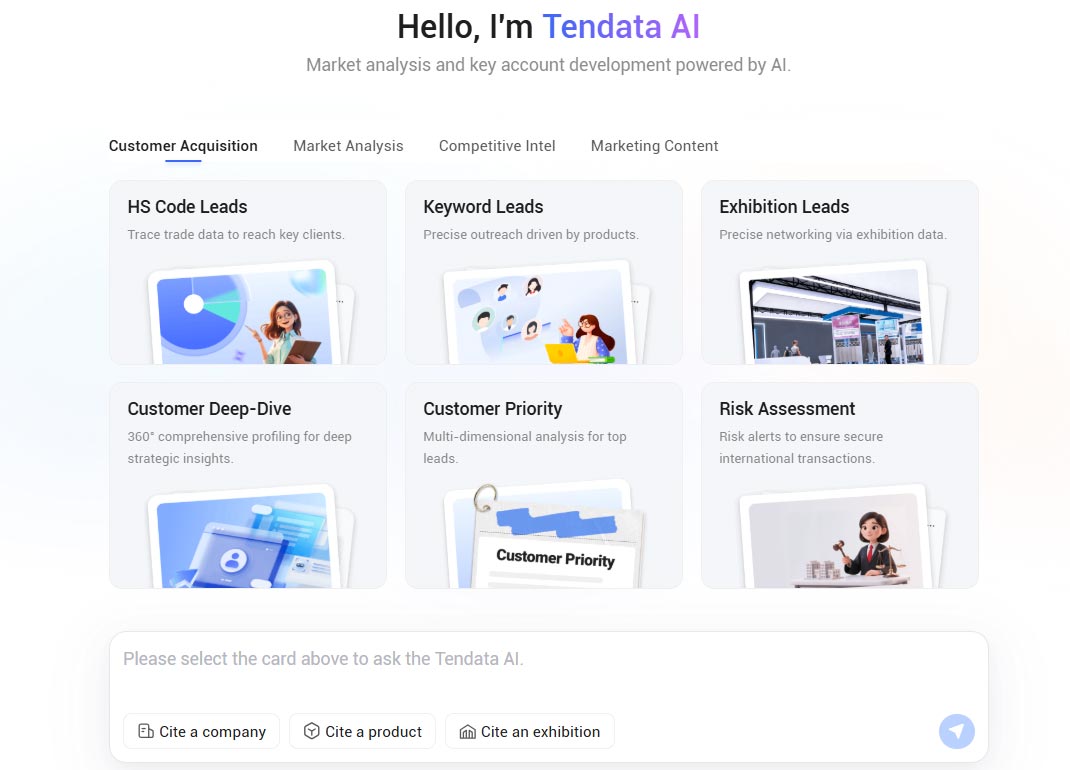
Powered by Tendata's global trade database and industry-specific AI, Tendata AI goes beyond basic data searches. It helps businesses analyze markets, evaluate competitors, identify high-potential buyers, and generate practical business insights through intelligent trade workflows.
By combining deep industry expertise with AI-powered analysis, companies can shorten research time, improve sales efficiency, and make smarter decisions with confidence.
>>> Get a Free Demo for Tendata AI <<<
Summary
Custom import data provides businesses with reliable insights into global purchasing activity, helping them understand market demand, monitor competitors, identify qualified buyers, and make better international trade decisions. Free resources such as Brazil Comex Stat, India's Open Government Data Portal, the Bank of Korea Economic Statistics System, Banco de México, and the National Bank of Poland offer valuable support for trade research and market analysis.
For businesses seeking deeper commercial intelligence, Tendata combines comprehensive custom import data with buyer discovery, competitor monitoring, AI-powered analysis, and verified business contact information. By transforming customs records into actionable business intelligence, Tendata helps companies discover real opportunities, connect with qualified buyers, and achieve sustainable growth in global markets.
Category
Leave Message for Demo Request or Questions